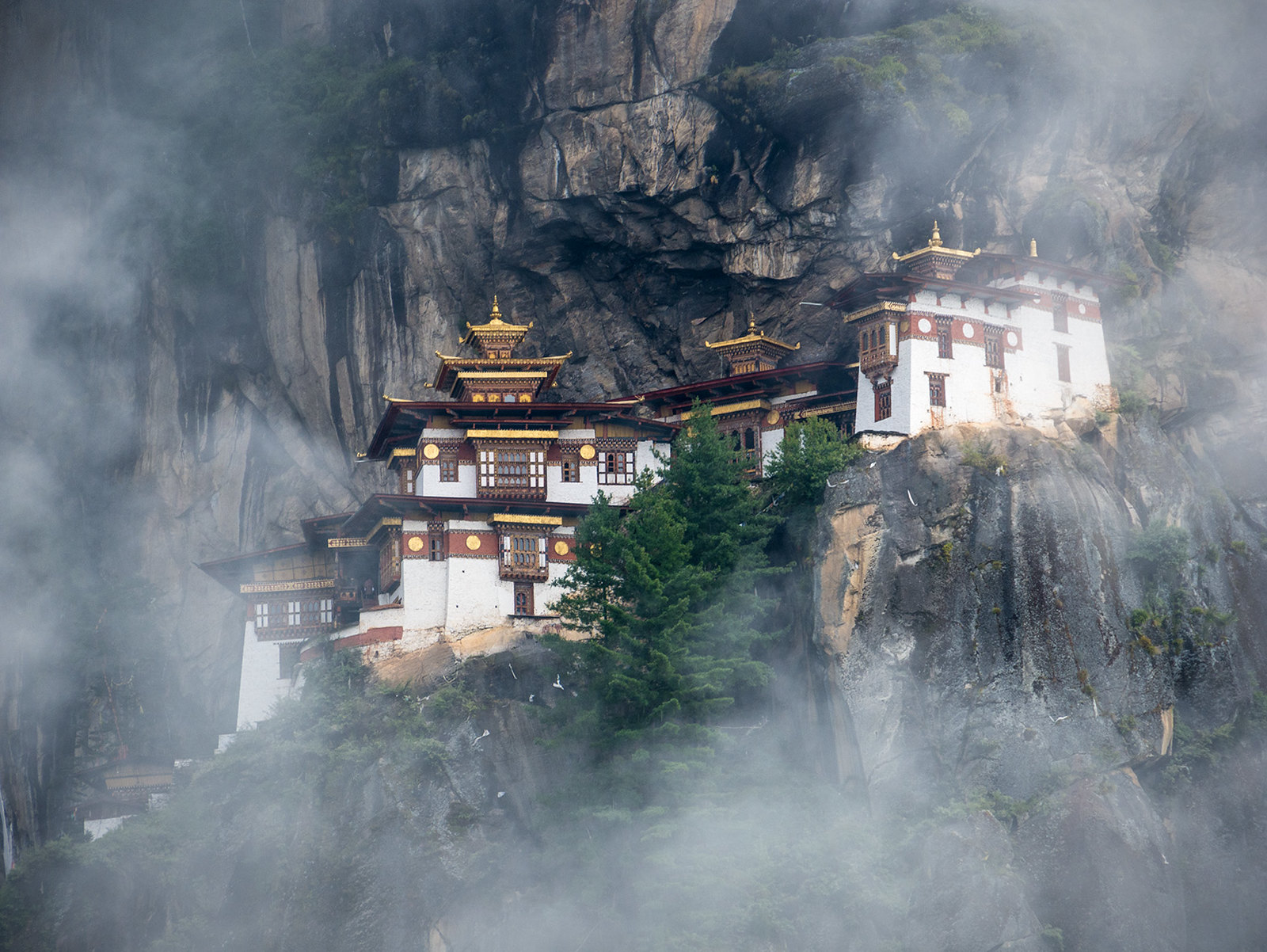
8Nigths / 9Days Bhutan Cultural Tour Itinerary
Day 1: Arrival in Paro
- Arrive at Paro International Airport.
- Transfer to your hotel and rest / acclimatize.
- In the afternoon, visit Ta Dzong (National Museum) in Paro.
- Explore Paro Dzong, a fortress-monastery overlooking the valley.
- Walk around Paro Town and its traditional market.

Day 2: Paro → Thimphu
- Drive from Paro to Thimphu.
- Visit Tango Monastery, located on a ridge above Thimphu.
- Explore Memorial Chorten (National Memorial Stupa) in Thimphu.
- Visit Druk Wangditse Lhakhang, a heritage temple overlooking Thimphu valley.
- Walk around Clock Tower Square in the heart of Thimphu for local crafts and architecture.

Day 3: Thimphu Sightseeing
- Start with Buddha Dordenma statue (if time/schedule allows) — a massive golden Buddha statue overlooking Thimphu (note: this is quite iconic; many tours include it).
- Visit Tashichho Dzong, the seat of government and major fortress.
- Go to the Centenary Farmers’ Market (if day aligns) to experience local produce and handicrafts.
- Optional: Visit the Institute for Zorig Chusum (Traditional Arts School) to see traditional Bhutanese craft.
- In the evening, explore local restaurants or handicraft shops in Thimphu.

Day 4: Thimphu → Punakha (via Dochula Pass)
- Depart Thimphu and drive toward Punakha. On the way, stop at Dochula Pass, where you can see the 108 Druk Wangyal Chortens.
- Visit the Royal Botanical Park (Lampelri) near Dochula.
- Continue to Punakha.
- Visit Chimi Lhakhang (“Fertility Temple”), known for its legend of Drukpa Kunley (the Divine Madman).
- In Punakha, visit Punakha Dzong, one of Bhutan’s most beautiful dzongs.
- Walk across the Punakha Suspension Bridge – very scenic.

Day 5: Punakha Cultural Exploration
- Possibly hike up to Khamsum Yulley Namgyal Chorten, a beautiful hilltop stupa.
- Explore Sangchhen Dorji Lhuendrup Nunnery (if interested) – quite peaceful and spiritual.
- Optional: Take a short hike in nearby villages, interacting with locals and experiencing rural Bhutanese life.
- Relax in the valley in the afternoon or visit lesser-known nearby temples.

Day 6: Punakha → Phobjikha (Gangtey Valley)
- Drive from Punakha to Phobjikha (Gangtey) Valley.
- On arrival, visit the Gangtey Goempa (Monastery), which overlooks the valley.
- Visit the Black-Necked Crane Information Centre to learn about the endangered black-necked cranes and conservation efforts.
- Nature walk on the Gangtey Nature Trail to enjoy the valley, farms, and birdlife.
- Evening: Enjoy sunset views over the valley.

Day 7: Phobjikha – Paro
- Spend a relaxing morning in Phobjikha – maybe hike or birdwatch.
- Visit local farms and villages to experience traditional rural Bhutanese life.
- If your trip coincides (especially in November), attend part of the Black-Necked Crane Festival at Gangtey Monastery.
- Depart Phobjikha and drive back to Paro.
- Evening: night stay at Paro

Day 8: Paro – Taktsang (Tiger’s Nest) Hike
- After breakfast, hike up to Paro Taktsang (Tiger’s Nest Monastery), the iconic cliffside monastery.
- On the way down, stop at a viewpoint for photos, maybe rest at a tea-house.
- In the afternoon, visit Kichu Lhakhang, one of the oldest temples in Bhutan.
- Optionally, visit Jangtsa Dumtseg Lhakhang, a chorten-shaped temple with unique iconography.

Day 9: Paro → Departure
- Depending on your flight schedule, you may have time for some last-minute sightseeing in Paro — for example, revisit favorite spots, shop for souvenirs.
- Transfer to Paro International Airport for your departure, bidding farewell to Bhutan.
Why This Itinerary Works (Cultural Highlights)
- Paro: Key spiritual sites (Taktsang, temples, museum), heritage architecture.
- Thimphu: Capital’s cultural heart — dzongs, craft, Buddhism.
- Punakha: Ancient dzong, hill chorten, fertility temple — deep cultural meaning.
- Phobjikha/Gangtey: Remote valley, monastery, traditional village, bird (crane) conservation — combination of nature + spirituality.
Practical Tips
- Guide & Permit: In Bhutan, hiring a licensed guide is mandatory for most tourists, and travel is generally arranged through registered tour operators.
- Accommodation: Recommended to book in advance, especially in Gangtey, because it’s more remote.
- Transport: Use a private car/suv with driver for inter-district travel.
- Clothing: Bring modest clothes for monasteries, comfortable hiking shoes, layers (valley can be cool).
- Best Time to Visit Phobjikha: The Black-Necked Crane season is typically late October to February.
- Cultural Etiquette: Remove hat/shoes before entering lhakhangs, be respectful in monasteries, ask before photography.